

Strength…balance…stability…flexibility…
Breathing…relaxation…anxiety-relief…blood flow…
Endorphins…serotonin…dopamine…norepinephrine…
These are all benefits of different forms of exercise. It’s so good for our body, mind and soul. I also think it’s the absolute best if it can be done outside in the fresh-air and sunshine! Every kind of exercise or activity will lead to improvements in some of these areas, but the only form of exercise that I know of that tends to incorporate most aspects of these is YOGA. I would say that most of my athletes experience pain and injury due to some form of overuse, lack of stretching, or lack of cross-training. What better way to balance out the effects of high intensity, cardiovascular and repetitious workouts than a slower exercise that is focused on breathing, relaxation, prolonged stretching and movement patterns that are often very different from other activities.

Most of my athletes will admit that they have an inconsistent and short stretching routine, if they have one at all. Most people’s goals for exercise include getting stronger, faster, leaner, burning calories, reducing stress, etc. But most forms of exercise are actually quite stressful to our bodies. Building strength and endurance requires a breakdown of tissue or surpassing the body’s current abilities in order to force the body to accommodate and build more tissue and endurance. I do understand that some forms of yoga are also very “hard-core” and do much of the same thing, but there is one difference – the strength and stability is usually happening in a more lengthened position of the muscle and incorporates flexibility and balance. Still, this is not the yoga that I am talking about for cross-training.

If someone is in a constant state of stressful exercise, it’s actually increasing cortisol levels which can reek havoc on our sleep patterns, eating, weight control and anxiety. I’m not saying to not do those forms of exercise, but everything in life requires balance. That’s why I think that Yin, Restorative, Hatha, Iyengar or other forms of gentle yoga are the best for cross-training. They focus more on breathing, proper form, using props as needed for support and to avoid injury, and are very relaxing.
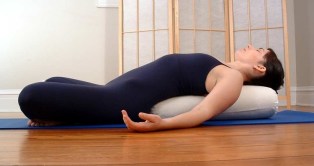
Now I will admit that I do see a few patients that only practice yoga and have significant injuries that are very difficult to treat. Once again, this is due to lack of cross-training not just due to yoga. Again…everything in life requires BALANCE! Yin and Yang. Day and night. Sun and moon. Fire and ice. You get the picture.

When adding yoga to your cross-training regimen, don’t get overwhelmed and think that you have to do it every day. It all depends on the frequency of the other activities that you are participating in. If you walk 1-3 days a week, adding 1 30-minute session of yoga per week will balance that out very nicely. But if you are doing CrossFit workouts 5-7 days a week, I would suggest 2 sessions of yoga per week (at least 30 minutes each) and a 15-20 minute stretching program after each workout. If we want to keep our bodies in optimal shape, prevent injury and improve our performance, we’ve got to treat them right! Make sure you are balancing high intensity with low intensity, strength training with flexibility, cardio with relaxation and breathing exercises. It seems like common sense, but it’s much easier said than done! Take this advice from a PT who has not only treated many people for injuries that could have been avoided by having more balance in their cross-training, but also from a PT who has learned the hard way. I’ve been there, I understand, but I’ve also come out the other side and can attest to how much better I feel now that I’ve added yoga into my routine.

Look into taking a few classes at a nearby studio. Get some private instruction (to ensure you have correct form) and then choose from the thousands of free yoga videos on You Tube. Go to Yoga on the Rocks at Red Rocks this summer or do some yoga on your paddleboard. It doesn’t have to be boring and it doesn’t always have to be the same. It’s a difficult transition in the beginning, especially if you are used to higher intensity activities, but soon you will crave the way that it makes you feel. You will feel taller, you will breathe easier, you will move more fluidly and you will find balance.
**This is not to be considered medical advice, please contact a physical therapist or other healthcare professional for more information. All content on lisawilcoxpt.com is created for informational purposes only and is not to be taken as medical advice, treatment or diagnosis.

 lisawilcoxpt.com